About Taylor
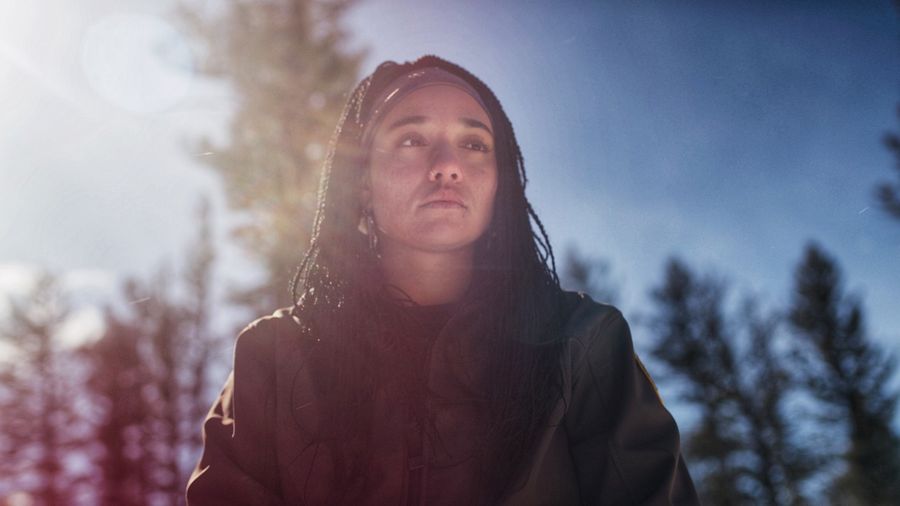
Wildlife conservationist, wolf researcher, wolf educator and adventurer.
Why some wolves lose their fear
Taylor L. Rabe is currently an MSc student at Colorado State University, where she is studying wolf habituation and the effects of aversive conditioning on wild wolf populations. Her research is examining why some wolves become more habituated to humans than others, and which intervention strategies, from non-lethal projectiles to auditory deterrents, prove to be the most effective at reversing problematic behavior before it escalates into conflict.
Her graduate work is being conducted in collaboration with the Yellowstone Wolf Project, drawing on a 30-year archive of field data she and her colleagues have gathered to analyze the factors driving habituation and evaluate which hazing methods most successfully restored natural wariness in wolves grown too comfortable around people.
- Now
- MSc student, Colorado State University
- Research
- Wolf habituation and aversive conditioning, with the Yellowstone Wolf Project
- Yellowstone Wolf Project
- 7 winters, 13 winter studies
- Before that
- Biological science technician, Yellowstone Wolf, Cougar, and Elk Project. Before that, naturalist, Yellowstone Wolf Tracker
- Conservation Nation
- Inaugural fellow, 2022. Now its Education Director
- Studied
- Zoology, Ohio State University, 2018
- Hosts with
- Atlas Wild Experiences
- If not wolves
- She would study elephants in Africa
Seven winters in Yellowstone
Before graduate school, Taylor spent the majority of her career observing and studying wolves in Yellowstone National Park as a biological science technician with the Yellowstone Wolf, Cougar, and Elk Project. Her work spanned public outreach and education, monitoring radio-collared wolves, and researching and managing wolf behavior through aversive conditioning. She hiked off-trail to wolf and cougar kill sites, performed necropsies, deployed Wildlife Acoustics ARUs across Yellowstone's Northern Range to record wolf vocalizations, and assisted with capture and animal handling during radio-collaring operations.
Prior to her technician role, she worked full-time as a naturalist for Yellowstone Wolf Tracker. Mending the gap between people and the wild, and using education to do it, was central to her work from the very beginning.
At the start of 2022, she was named Conservation Nation's first inaugural fellow. The organization, which focuses on funding underrepresented individuals in the conservation field, supported her work with the Yellowstone Wolf Project as a Black woman and gave her a platform to educate others on the importance of conservation and the need to diversify the field. She currently serves as the organization's Education Director.
Taylor loves connecting with fellow wildlife enthusiasts, trading stories and passions with anyone who shares her love of the natural world. In her free time, she's traveling the globe in search of wildlife, steadily working her way through a bucket list of animal sightings one encounter at a time.
Wolves were just kind of handed to me. I was quite literally thrown to wolves.
What people get wrong about wolves
The myth Taylor hears most is that wolves are bloodthirsty killers: that they will eat your children, kill all the elk and wipe out livestock.
What she wants people to understand instead is that wolves are wary of people, and curious. They are one more apex predator trying to live in a landscape that people largely dominate, and they are just trying to find a place in it.
That is why she teaches. For Taylor, education is key.
I wish people would understand that wolves are scared of people. They're curious.
Rabe means raven
Rabe is German for raven, and ravens are the wolf's followers. Taylor watches the two together in the field all the time, which makes her name a fitting one for a wolf researcher.
It is also why a raven sits beside the wolf in her Instagram name, and on her monogram.
Get in touch
For talks, interviews and trip questions, email Taylor or message her on Instagram.